Western Australian homes are required to have RCD safety switch protection on power and lighting circuits, and compliance is checked at points like sale and lease. A safety switch is not the same as a circuit breaker: it protects people from electric shock rather than protecting wiring from overload. Requirements change over time, so confirm your specific situation with a licensed electrician or Building and Energy.
Safety switches are the one piece of electrical protection that exists specifically to protect people rather than equipment, and they are also the thing most commonly missing or half installed in older homes.
What a safety switch actually does
An RCD, which is what a safety switch is, continuously compares the current flowing out on a circuit with the current coming back. If some of it is going somewhere else, which is what happens when electricity passes through a person, it disconnects in a fraction of a second.
A circuit breaker does something different. It protects the wiring from carrying more current than it should. Both matter, and having one does not mean you have the other. This is the single most common misunderstanding people have about their own switchboard.
What is required in Western Australia
Western Australian residential requirements call for RCD protection covering power and lighting final subcircuits, and the requirement is enforced at specific trigger points rather than continuously. Selling, leasing or hiring out a property is the usual moment it gets checked, which is why so many upgrade jobs are prompted by a real estate transaction.
Regulations do change, and the detail of what applies depends on the property and the circumstances. This is general guidance, so confirm your specific position with a licensed electrician or with Building and Energy rather than relying on a blog post.
How do I tell what I already have?
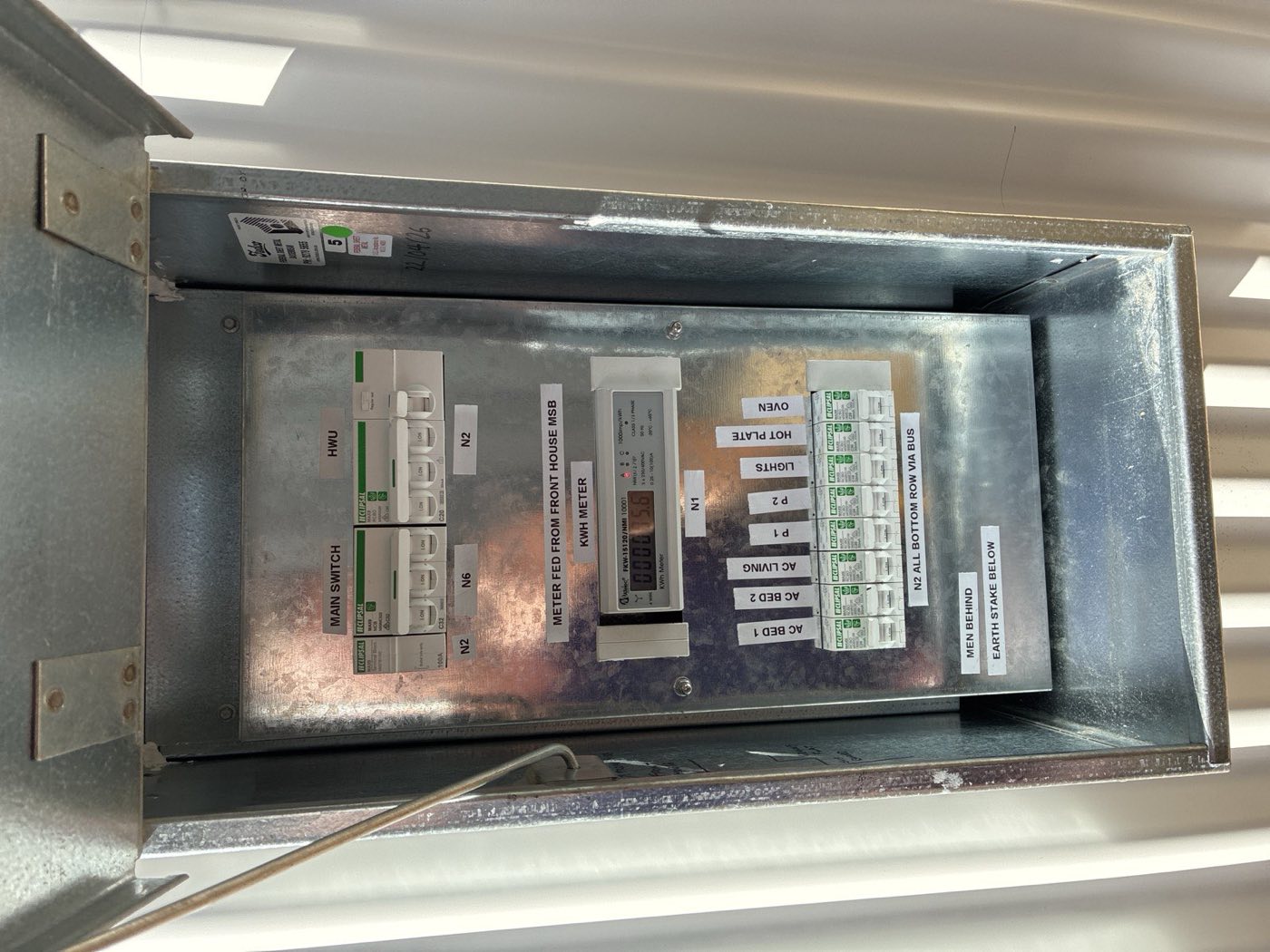
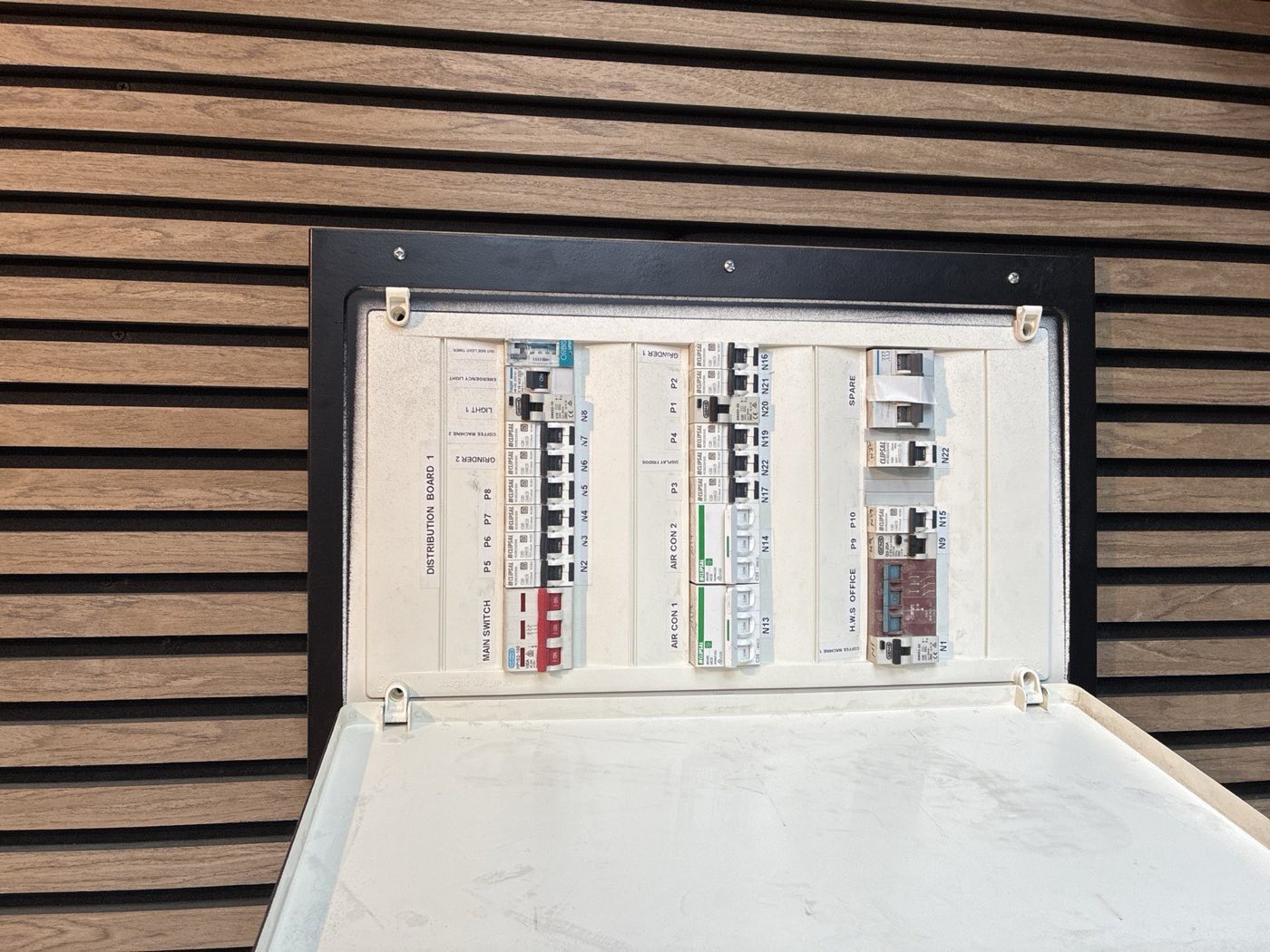
Open the switchboard cover and look for devices with a test button, usually marked T or TEST. Those are your RCDs. Then look at how many circuits they actually cover. A very common situation in older homes is RCD protection on the power points but not on the lighting circuits, which leaves a real gap.
If your board still has ceramic fuses or fuse wire, it almost certainly has no RCD protection at all and is a candidate for a switchboard upgrade.
Testing them is your job, and it takes a minute
Safety switches are mechanical devices and they can fail. Pressing the test button quarterly is the recommended habit: the switch should trip immediately. If it does not, it is not protecting anything and needs attention.
Do it at a time when losing power briefly is not a problem, and be aware it will reset clocks and interrupt anything running.
Smoke alarms usually come up at the same time
The same property transactions that trigger RCD checks generally trigger smoke alarm requirements too, and in most cases that means mains powered alarms rather than battery units. It is worth handling both in one visit rather than discovering the second requirement after the first job is done. Hardwired smoke alarms are a small job when someone is already on site.
If you are not sure what you have
Being unsure is the normal state and there is no reason to guess. A look at the board answers it quickly, and you get told plainly whether you are compliant, whether there is a gap worth closing, and what it would take. Oliver covers the coastal suburbs from Fremantle to Ocean Reef. Get in touch and you will get a straight answer rather than a scare.
Want a real figure for your job?
Every place is different. Send through what you need and Oliver will give you a fixed price in writing.